
At JCWG, we monitor Canadian and American retail sales on a monthly basis through our National Retail Bulletins (NRBs). This enables us to stay abreast of the latest sales trends and deliver cutting-edge insights to our clients.
As we enter the second half of 2024, it is crucial to analyze the trends and data from the first six months to anticipate what lies ahead for the retail sector in Canada. The landscape is shaped by several key factors, including economic conditions, consumer behavior, and industry-specific events.
The first half of 2024 has been a mixed bag for Canadian retail, with some sectors thriving while others struggled. A common theme across the months has been the impact of inflation on consumer spending habits, with some past NRBs noting:
- “High grocery prices have led consumers to shift towards smaller, local grocers, benefiting Specialty Food Stores which saw significant year-over-year growth.”
- “Discretionary spending has been subdued, with categories like Furniture Stores, Sporting Goods, and Beer, Wine, and Liquor Stores experiencing year-over-year declines.”
- “However, some categories have shown resilience, such as Motor Vehicle and Parts Dealers, driven by rising vehicle prices and the need for more fuel-efficient options.”
Overall, the first half of 2024 has been characterized by cautious consumer spending, with a focus on essentials and a shift towards more budget-friendly options. Retailers have had to adapt to changing consumer preferences and find ways to offer value in an inflationary environment.
As highlighted in Ebeltoft and JCWG’s 2023 Leadership Study, retailers are proactively exploring new operating models in response to anticipated lower sales in 2024 compared to 2023. This trend was foreseen in our analysis. Moving forward, our projections include:
Inflation and Consumer Sensitivity
Inflation remains a significant concern, with no signs of improvement expected in 2024. This economic pressure is driving consumers to become more price-conscious and value-sensitive. They are scrutinizing their spending, distinguishing more than ever between essential and discretionary expenses, and seeking the best value for their money. This shift in consumer behavior is likely to impact retail sales, with shoppers prioritizing value over brand loyalty.
Holiday Creep and Seasonal Sales
Due to inflation, JCWG predicts a continuation of “holiday creep”, where consumers spread out their holiday shopping over several months rather than concentrating on traditional peak seasons. Retailers can expect substantial activity around Black Friday/Cyber Monday and other non-traditional sales events, such as the October Prime Day. This trend suggests a more sustained, albeit less spiked, retail sales pattern throughout the year.
LCBO Strike and Grocery Store Traffic
In Ontario specifically, the recent LCBO strike resolved recently, which likely significantly affected retail traffic patterns. Consumers will have the option to turn to convenience stores (once they are permitted to sell alcohol) and grocery stores with alcohol sections. This shift in consumer behavior could have also overshadowed the Loblaws boycott, as the need for accessible alcohol purchases takes precedence.
Membership Models and Pricing Strategies
Despite the recent increase in Costco membership fees, membership-based businesses are thriving. This success is expected to influence broader pricing strategies, encouraging retailers to explore new pricing models that offer perceived value and exclusivity. For example, one of the primary objectives of Amazon Prime Day is to drive membership growth for its Prime service.
AI and Labor Efficiencies
AI continues to be a focal point for larger retailers aiming to enhance labor efficiencies and resource deployment. The integration of AI could lead to significant productivity gains, but it also raises questions about its impact on innovation within the retail sector. Retailers will need to balance efficiency improvements with the need to foster innovative practices that keep them competitive.
While these investments are predominantly being made by large retailers, there are also significant benefits for SMEs. The adoption of premade AI software solutions is expected to continue increasing, providing small and medium-sized enterprises with enhanced capabilities to compete more effectively in the market.
The next six months of retail sales in Canada will be shaped by a combination of economic pressures, evolving consumer behaviors, and industry-specific developments. Retailers must remain agile, adapting their strategies to meet the changing needs and preferences of consumers. By focusing on value, leveraging technology, and innovating their pricing models, retailers can navigate the challenges and opportunities that lie ahead.
To be the first to receive exclusive insights from JCWG, be sure to sign up here!
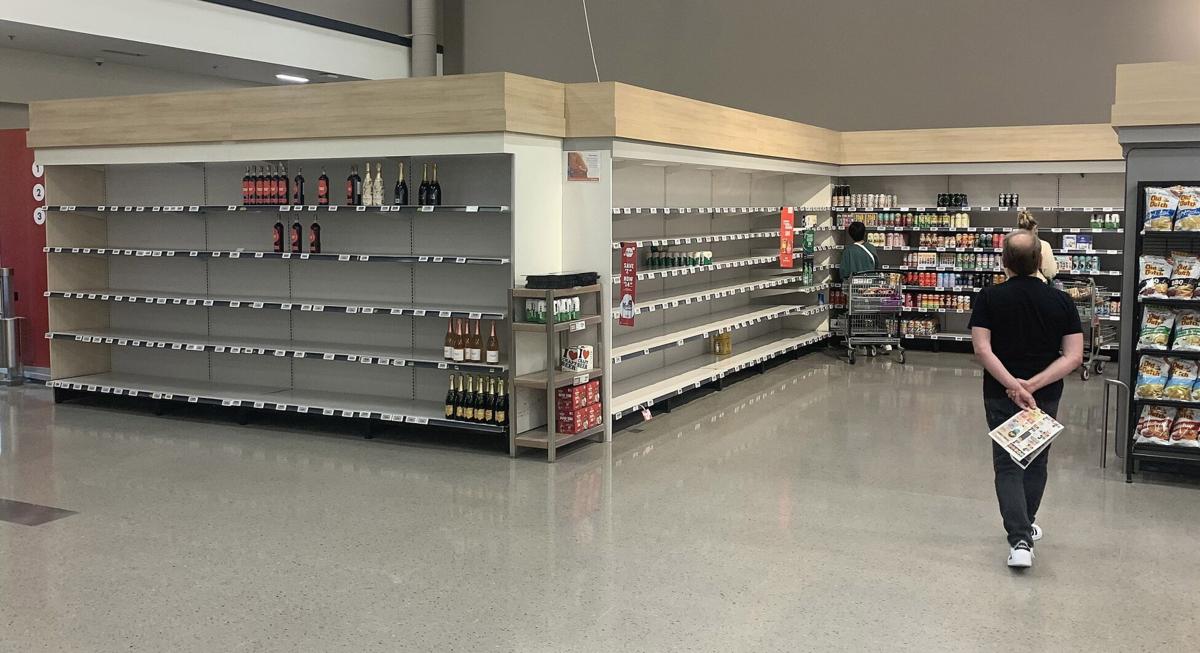
IMAGE SOURCE: R.J. Johnston – Toronto Star.
Leave a Reply